According to TECH TIMES
Spray foam insulation has become increasingly popular in modern construction due to its energy efficiency and ability to create airtight building envelopes. However, questions have emerged among homeowners and contractors regarding whether spray foam insulation can contribute to mold growth in buildings. Recent expert commentary addresses these concerns, explaining that while spray foam itself does not cause mold, improper installation or moisture conditions within buildings may create environments where mold can develop.
The discussion highlights how misunderstandings about insulation materials often arise when mold problems appear in buildings where spray foam has been installed. Experts emphasize that mold growth is primarily linked to moisture and environmental conditions rather than the insulation material itself.
Understanding Spray Foam Insulation
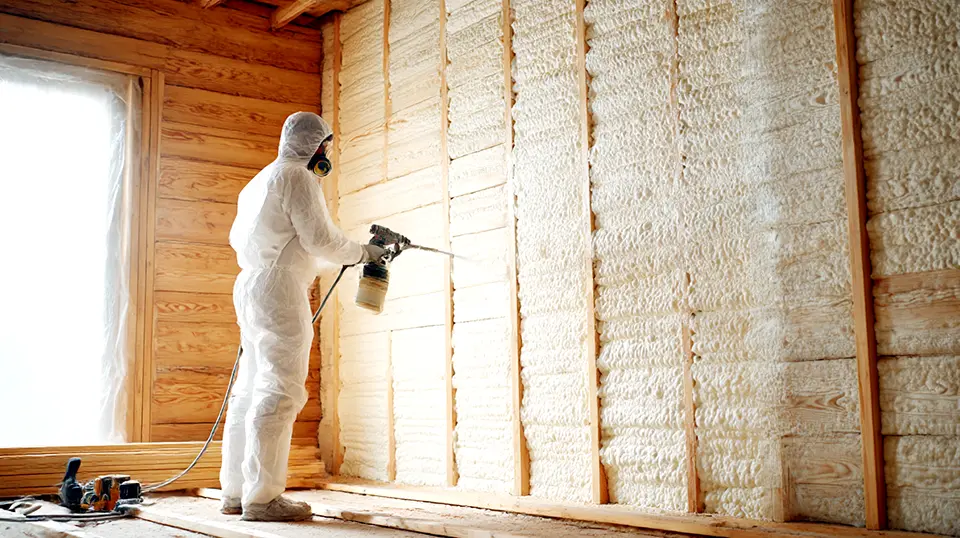
Spray foam insulation is a polyurethane-based material applied as a liquid that rapidly expands and hardens to form a dense insulating layer. Once cured, the material creates an airtight barrier that helps reduce heat transfer and improve building energy efficiency.
Because of its ability to seal small gaps and cracks in building structures, spray foam insulation is widely used in walls, attics, crawl spaces, and roofing systems. The airtight seal created by spray foam can significantly reduce energy loss and improve indoor comfort.
However, the same airtight characteristics that make spray foam effective for energy efficiency can also influence indoor moisture dynamics if buildings are not properly ventilated.

Source: Wikimedia Commons, CC BY-SA 3.0
Mold Growth and Moisture Conditions
Mold growth requires three primary conditions: moisture, organic material, and suitable temperatures. When these factors are present simultaneously, mold spores that are naturally present in the environment can germinate and begin forming colonies.
Experts emphasize that spray foam insulation itself does not provide a food source for mold because it is a synthetic material. Unlike wood, drywall, or paper-based building materials, cured spray foam does not contain organic nutrients that fungi typically require for growth.
Nevertheless, mold can develop on nearby materials if moisture accumulates within building assemblies. For example, if water leaks occur or humidity levels remain high in enclosed spaces, mold may grow on wood framing, dust, or other organic debris near insulation layers.

Source: Wikimedia Commons, CC BY-SA 3.0
Installation Quality as a Critical Factor
According to building specialists, many concerns about spray foam and mold originate from cases where insulation was installed improperly. When spray foam is applied incorrectly, gaps or uneven coverage may occur, allowing moisture to become trapped within walls or ceilings.
In addition, if building ventilation systems are inadequate, moisture generated indoors from activities such as cooking, bathing, or laundry may accumulate within enclosed spaces. Without proper airflow, humidity can rise and create conditions that favor mold growth.
Experts emphasize that correct installation techniques and building design play an essential role in preventing moisture problems in insulated structures.

Source: Wikimedia Commons, CC BY-SA 3.0
Ventilation and Indoor Air Quality
Modern energy-efficient buildings often rely on tightly sealed insulation systems to reduce heat loss. While these designs improve energy performance, they can also require carefully designed ventilation systems to maintain indoor air quality and moisture balance.
Mechanical ventilation systems are commonly used in airtight buildings to ensure that indoor air is regularly exchanged with fresh outdoor air. This process helps control humidity levels and prevents moisture accumulation that could lead to mold growth.
Building scientists note that spray foam insulation is most effective when integrated into a comprehensive building envelope strategy that includes ventilation planning and moisture management.

Source: Wikimedia Commons, CC BY-SA 3.0
Misconceptions About Mold and Insulation Materials
Public concerns about spray foam insulation often arise from the assumption that certain building materials inherently cause mold growth. Experts clarify that mold is not caused by insulation products themselves but by environmental conditions that allow fungal spores to thrive.
Because mold spores exist in both indoor environments and outdoor environments, preventing mold growth depends primarily on controlling moisture rather than eliminating spores entirely.
Even buildings without spray foam insulation can develop mold problems if water damage, leaks, or persistent humidity occur.
Detecting and Preventing Mold in Buildings
Homeowners and building managers are encouraged to monitor signs of moisture problems that may indicate conditions suitable for mold growth. These signs may include condensation on windows, musty odors, water stains on ceilings or walls, or visible fungal growth.
Preventive strategies include repairing plumbing leaks promptly, maintaining roof integrity, ensuring proper drainage around foundations, and using ventilation systems to regulate indoor humidity.
Regular inspection of attics, crawl spaces, and basements can also help detect moisture problems before mold colonies become established.

Source: Wikimedia Commons, CC BY-SA 3.0
The Role of Building Science
Building science research continues to examine how materials, insulation systems, and ventilation strategies interact within modern construction. Understanding how moisture moves through building assemblies is critical for designing structures that remain durable and healthy over time.
Spray foam insulation remains a widely used technology in energy-efficient construction. When installed properly and combined with appropriate ventilation, the material can help reduce energy consumption while maintaining comfortable indoor environments.
However, experts emphasize that no insulation system alone can prevent mold growth if moisture problems are present within a building.
Common Indoor Mold Species
When mold does develop in indoor environments, several fungal species are frequently identified. These molds typically grow on damp building materials or surfaces where organic matter is present.
Species belonging to the genera Aspergillus, Penicillium, and Cladosporium are among the most commonly detected indoor molds. These fungi produce airborne spores that can spread throughout buildings and settle on surfaces.
Another species associated with water-damaged structures is Stachybotrys chartarum, sometimes referred to as “black mold.” This fungus grows on materials with high cellulose content when prolonged moisture exposure occurs.
Identifying the species involved can help environmental specialists determine the appropriate remediation methods and assess potential health implications.
Balancing Energy Efficiency and Moisture Control
The increasing use of airtight insulation technologies reflects the global effort to improve building energy efficiency and reduce energy consumption. Spray foam insulation plays a role in achieving these goals by minimizing heat transfer and improving building performance.
However, experts emphasize that energy-efficient design must always be accompanied by proper moisture control strategies. Building systems must balance insulation, ventilation, and drainage to prevent conditions that could encourage microbial growth.
When these elements are integrated effectively, buildings can achieve both energy efficiency and healthy indoor environments.
Clarifying the Record
Ultimately, experts conclude that spray foam insulation does not inherently cause mold growth. Instead, mold problems arise when moisture accumulates in buildings due to leaks, poor ventilation, or construction issues.
Understanding the relationship between building materials and environmental conditions can help homeowners make informed decisions about insulation technologies and indoor air quality.
By focusing on moisture management and proper installation practices, building professionals can reduce the likelihood of mold problems while maintaining the benefits of modern insulation systems.
References
WHO Guidelines for Indoor Air Quality: Dampness and Mould.
U.S. Environmental Protection Agency (EPA) – Mold and Moisture in Buildings
According to TECH TIMES