According to betweencarpools
Everyday Objects in a High-Moisture Environment
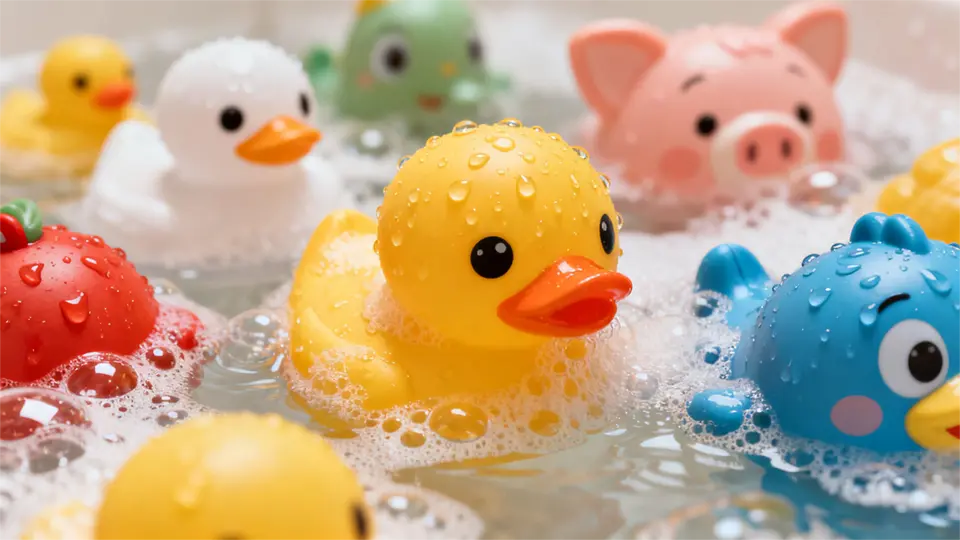
Bath toys are widely used in households with young children, offering both entertainment and developmental benefits during bath time. A recent feature by Between Carpools highlights popular bath toy options while indirectly drawing attention to an often-overlooked issue: hygiene risks associated with prolonged exposure to moisture.
Bathrooms provide a warm and humid environment, conditions that are ideal not only for play but also for microbial growth. When toys are repeatedly exposed to water and not fully dried, they can become reservoirs for bacteria and fungi.
Why Bath Toys Are Vulnerable to Mold
Many bath toys are designed with small openings that allow water to enter and exit. While this feature enables interactive play, it also creates internal spaces where water can become trapped. Over time, stagnant moisture inside these toys can support the growth of mold and other microorganisms.
Unlike visible surface contamination, internal mold growth may go unnoticed until it becomes extensive. This makes bath toys particularly susceptible to hidden microbial accumulation, especially when cleaning routines are inconsistent.
Common Signs of Contamination
One of the most recognizable signs of mold contamination in bath toys is the presence of dark or discolored residue when water is squeezed out. This residue may consist of mold spores, biofilm, or a mixture of microorganisms that have developed within the toy.
Odor can also be an indicator. A musty or unpleasant smell suggests that microbial growth has occurred, even if it is not immediately visible. These signs indicate that the toy may require thorough cleaning or replacement.
Health Considerations for Children
Children are more likely to come into close contact with bath toys, including placing them in their mouths. This increases the potential for exposure to microorganisms that may be present inside the toys.
While not all exposure leads to illness, certain molds can trigger allergic reactions or mild respiratory symptoms in sensitive individuals. In rare cases, prolonged exposure to contaminated objects may contribute to more significant health concerns, particularly in children with weakened immune systems.
Maintaining clean bath toys is therefore an important aspect of household hygiene, especially in environments where moisture is consistently present.
Cleaning and Maintenance Practices
Proper cleaning is essential to reduce the risk of mold growth. Regular rinsing and drying of bath toys can help remove residual water and limit microbial development. Ensuring that toys are stored in well-ventilated areas allows them to dry more effectively between uses.
Some caregivers opt for periodic disinfection, using safe cleaning solutions to eliminate potential contaminants. However, thorough drying remains a critical step, as moisture is the primary factor that enables mold growth.
Design Considerations and Safer Alternatives
The design of bath toys plays a significant role in their susceptibility to contamination. Fully sealed toys, which do not allow water to enter, are generally less prone to internal mold growth. Similarly, toys made from materials that dry quickly or resist microbial buildup can reduce hygiene risks.
Manufacturers are increasingly aware of these concerns and are exploring designs that prioritize both safety and durability. For consumers, selecting toys with fewer openings or those specifically designed for easy cleaning can help mitigate potential issues.
Balancing Play and Hygiene
Bath time serves as both a routine activity and an opportunity for play. The presence of toys enhances the experience, making it more engaging for children. However, this benefit must be balanced with awareness of hygiene considerations.
Regular inspection of bath toys, combined with consistent cleaning practices, allows families to maintain a safe environment without compromising the enjoyment of play.
A Broader Reflection on Moisture and Microbial Growth
The issue of mold in bath toys reflects a broader principle: environments that combine warmth, moisture, and organic material are naturally conducive to microbial activity. This principle applies not only to toys but also to other household items exposed to similar conditions.
Understanding how these factors interact can help individuals make informed decisions about maintenance and prevention, reducing the likelihood of contamination in everyday objects.
Practical Awareness for Everyday Use
The insights highlighted in the report underscore the importance of simple, practical measures. By addressing moisture retention, improving airflow, and selecting appropriate products, households can significantly reduce the risk of mold growth.
These steps do not require complex interventions but rather consistent attention to routine care.
Maintaining Safe and Enjoyable Spaces
Ultimately, bath toys remain a valuable part of childhood experiences. Their benefits in supporting play and development are clear. Ensuring that these items remain clean and safe is a manageable responsibility that contributes to overall household well-being.
By combining awareness with practical maintenance, families can continue to enjoy the benefits of bath-time play while minimizing potential health risks associated with hidden microbial growth.
References
According to betweencarpools