According to chowhound
A Culinary Practice That Raises Questions
Dry-aged steak is often associated with premium dining, known for its concentrated flavor and tender texture. However, its appearance—particularly the darkened outer layer—can raise a natural question: does dry aging involve mold, and if so, is it safe? A recent report by Chowhound explores the science behind this process, clarifying misconceptions and explaining the role of controlled microbial activity in meat aging.
At first glance, the idea of consuming meat that has been exposed to air for extended periods may seem counterintuitive. Yet, under carefully managed conditions, this process is not only safe but essential to achieving the distinct qualities associated with dry-aged beef.

What Happens During Dry Aging
Dry aging involves storing large cuts of beef in a controlled environment where temperature, humidity, and airflow are precisely regulated. Over time, natural enzymes within the meat begin to break down muscle fibers, resulting in increased tenderness.
Simultaneously, moisture gradually evaporates from the meat’s surface. This dehydration concentrates flavors, creating the rich, nutty taste that distinguishes dry-aged steak from its fresh counterpart. The process typically lasts several weeks, though longer aging periods are sometimes used for more intense flavor development.

The Role of Mold in Flavor Development
During dry aging, certain molds can develop on the surface of the meat. Unlike spoilage mold, these microorganisms are often beneficial and contribute to the aging process. They interact with the meat in ways that enhance both texture and flavor.
These molds break down proteins and fats, producing compounds that deepen the meat’s complexity. This process is similar to what occurs in other fermented foods, where controlled microbial activity is used to develop desired characteristics.
Importantly, the molds that grow in dry-aging environments are not random. The conditions are carefully maintained to encourage the growth of specific, non-harmful microorganisms while inhibiting the development of dangerous pathogens.
Why the Outer Layer Is Removed
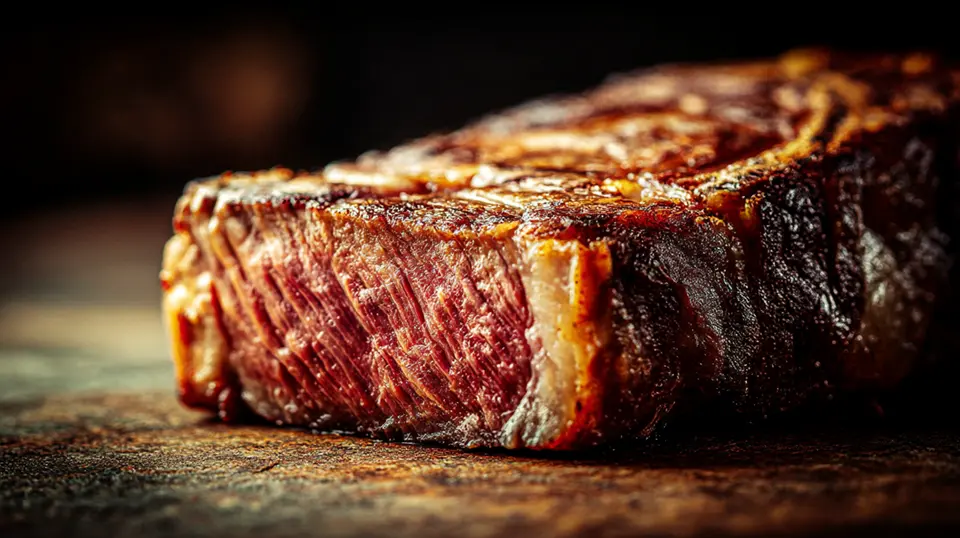
Despite the beneficial role of mold, the outer surface of dry-aged meat is not consumed. After the aging process is complete, this hardened, mold-exposed layer is trimmed away, revealing the tender, edible portion beneath.
This step ensures that any surface-level microbial growth does not affect the final product. What remains is meat that has been transformed internally through enzymatic and microbial processes, without carrying visible mold into the final dish.
Safety Through Controlled Conditions
The safety of dry-aged steak depends entirely on environmental control. Temperature is kept low enough to prevent harmful bacterial growth, while humidity and airflow are balanced to support proper aging without excessive moisture accumulation.
Professional aging facilities monitor these conditions continuously. Deviations can compromise both safety and quality, which is why dry aging is typically performed in specialized environments rather than at home.
When these controls are properly maintained, the risk of harmful contamination is minimized. This distinguishes dry aging from uncontrolled spoilage, where unpredictable microbial growth can pose health risks.
Comparing Dry Aging and Spoilage
One of the key distinctions highlighted by experts is the difference between controlled aging and spoilage. While both processes involve microbial activity, their outcomes are fundamentally different.
Spoilage occurs when harmful microorganisms grow unchecked, often producing unpleasant odors, slime, or discoloration that indicates the meat is unsafe to consume. In contrast, dry aging is a deliberate process that uses controlled conditions to guide microbial and enzymatic changes in a predictable and safe manner.
Understanding this difference is essential in addressing concerns about mold. Not all mold is harmful, and in certain contexts, it plays a valuable role in food production.
Flavor, Texture, and Consumer Perception
The unique characteristics of dry-aged steak—its tenderness and complex flavor profile—are direct results of the aging process. However, consumer perception often lags behind scientific understanding.
The presence of mold, even when beneficial, can create hesitation. Education about the process helps bridge this gap, allowing consumers to appreciate the science behind what they are eating.

A Tradition Supported by Science
Dry aging is not a modern innovation but a long-standing culinary practice that has been refined over time. Advances in food science have enhanced understanding of the underlying processes, reinforcing its safety when properly executed.
By combining traditional methods with modern control systems, producers are able to deliver consistent results while maintaining high safety standards.
A Measured Perspective on Mold in Food
The discussion surrounding dry-aged steak reflects a broader theme in food science: the role of microorganisms is not inherently negative. In controlled environments, fungi and other microbes can contribute to desirable outcomes, from flavor development to preservation.
Rather than viewing mold solely as a sign of spoilage, this perspective recognizes its dual nature—capable of both harm and benefit depending on context.
In the case of dry-aged steak, the presence of mold is part of a carefully managed process, one that transforms raw meat into a product valued for its depth and complexity.
References
According to chowhound