According to THE TREK
Mushrooms Become Part of the Appalachian Trail Experience
A long-distance hiker traveling the first 275 miles of the Appalachian Trail has highlighted the remarkable fungal diversity found throughout the forests of the southeastern United States. The account, published by The Trek, combines ecological observations, edible mushroom discoveries, and reflections on the growing interest in wild fungi among hikers and outdoor enthusiasts.
The report illustrates how fungi are deeply woven into the Appalachian ecosystem, appearing not only as food sources but also as indicators of forest health and biodiversity.
A Growing Fascination with Fungal Ecology
The hiker, Aubrey Carter, describes becoming interested in fungi through ecological work and later deepening that interest through mycology education. His observations along the trail emphasize how fungal life often goes unnoticed despite playing essential roles in forest ecosystems.
From decomposing wood to forming underground symbiotic networks with plants, fungi support nutrient cycling and ecological stability across the Appalachian region.
The narrative reflects a broader cultural shift in which mushrooms are increasingly viewed not only as culinary items but also as ecologically significant organisms.

Chicken of the Woods Appears After Rainfall
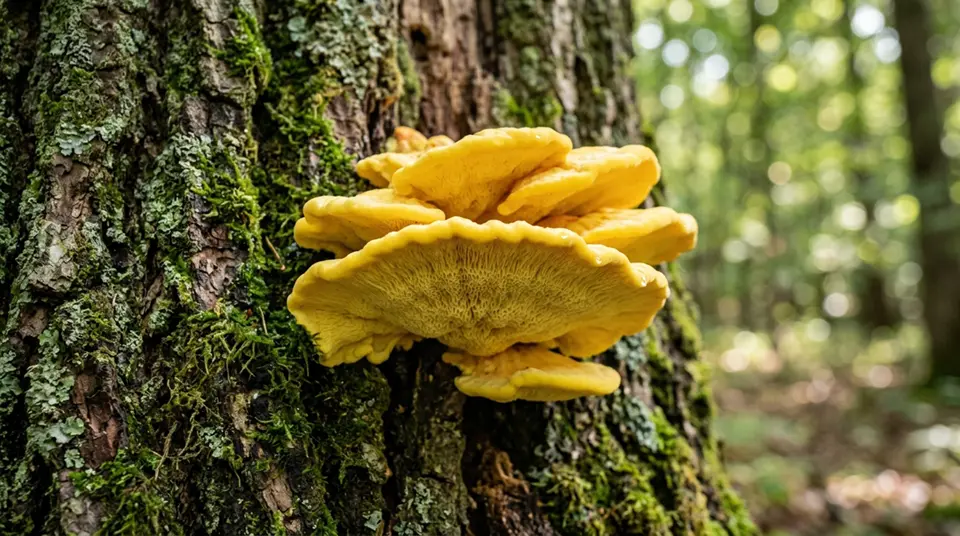
One of the first notable edible fungi encountered on the trail was Chicken of the Woods, scientifically known as Laetiporus sulphureus. The fungus was discovered in the Nantahala National Forest after rainfall following an extended dry period.
This brightly colored shelf fungus typically grows on hardwood trees and is valued for its meat-like texture. The report notes that the fruiting appeared earlier than expected for the season, suggesting how weather patterns can influence fungal growth cycles.
Rainfall played a key role in triggering the emergence of new fungal structures, highlighting the close relationship between moisture conditions and mushroom development.

Trail Cooking and Wild Foraging
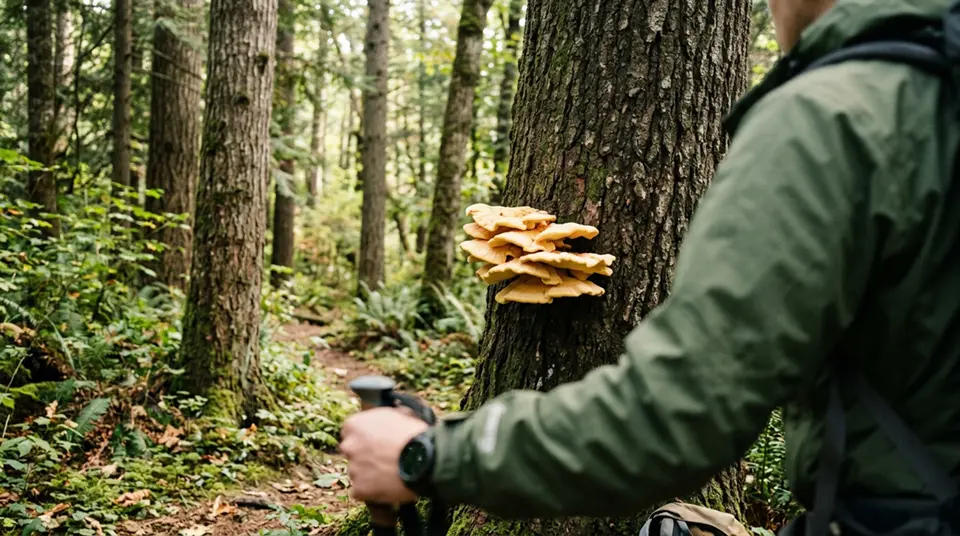
The account also describes how edible fungi became incorporated into trail meals. Without access to conventional cooking methods, the harvested mushrooms were prepared using lightweight backpacking equipment and combined with dehydrated foods.
This reflects a growing trend among outdoor enthusiasts who integrate foraging into long-distance hiking experiences. However, the report repeatedly stresses caution, emphasizing that wild mushroom consumption requires reliable identification methods.
Chaga and Its Medicinal Reputation
Another fungus encountered along the trail was Chaga, or Inonotus obliquus, commonly associated with birch trees. Unlike traditional mushrooms, Chaga forms a hardened black mass known as a sclerotium.
The report highlights Chaga’s reputation for high antioxidant content and its historical use in teas and herbal preparations. Although often discussed for potential health benefits, Chaga grows slowly, and sustainable harvesting practices are considered important to avoid damaging fungal populations.
Its presence in the Great Smoky Mountains surprised the hiker, as the fungus is more commonly associated with northern forest regions.

Pheasant’s Back and Seasonal Edibles
The hiker also documented finding Pheasant’s Back mushrooms, scientifically known as Cerioporus squamosus, near Appalachian shelters. This species commonly appears during spring and grows on decaying wood.
Although intended for a trail meal, the mushroom was ultimately forgotten during the day’s hiking routine, illustrating how demanding long-distance hiking conditions can influence even simple tasks such as meal preparation.
The encounter nevertheless highlights the abundance of seasonal fungi within Appalachian forests during wet spring conditions.
Searching for Rare Fungal Species
Beyond edible mushrooms, the report explores interest in rare and ecologically specialized fungi. One species of particular interest was Hazel Fingers, or Hypocreopsis rhododendri, a rare fungus associated with rhododendron and mountain laurel habitats.
Unlike edible species, this fungus is valued primarily for its ecological rarity. The report explains that it may function as a parasite on another fungus rather than directly affecting host plants.
The search for rare fungi demonstrates how mycology extends beyond food collection into biodiversity monitoring and ecological appreciation.
Fungi and Forest Ecosystems
The Appalachian Trail passes through highly diverse forest systems where fungi play crucial ecological roles. Decomposer fungi recycle nutrients from fallen wood and plant material, while mycorrhizal fungi form beneficial relationships with tree roots.
These underground interactions help forests maintain resilience and productivity. The visible mushrooms encountered by hikers represent only the reproductive structures of much larger fungal networks hidden beneath the soil and within trees.
The Importance of Mushroom Identification
A major theme throughout the report is the importance of safe mushroom identification. Many edible fungi have toxic look-alikes, making accurate identification essential before consumption.
Experienced foragers often recommend using multiple forms of verification, including field guides, expert consultation, and online identification communities. This layered approach helps reduce the risk of accidental poisoning.
The report reinforces that enthusiasm for foraging must be balanced with caution and education.

Hiking, Ecology, and Observation
The Appalachian Trail provides hikers with prolonged exposure to changing ecosystems, making it an ideal environment for observing fungal diversity. Seasonal weather shifts, rainfall patterns, elevation changes, and forest composition all influence which species emerge along the route.
For hikers interested in ecology, mushrooms become part of a broader environmental narrative unfolding across the landscape.
A Growing Appreciation for Fungi
The report reflects increasing public fascination with fungi as both ecological organisms and cultural subjects. Mushrooms are no longer viewed solely as mysterious forest growths but as vital contributors to ecosystem function, scientific research, and sustainable outdoor practices.
This growing appreciation aligns with wider interest in mycology, biodiversity conservation, and environmental education.
Looking Ahead on the Trail
As the Appalachian journey continues northward, the range of fungal species encountered is expected to expand with changing climates and forest types. From edible mushrooms to rare ecological discoveries, fungi remain a constant companion along the trail.
The account ultimately highlights how observing fungi can transform hiking into a deeper exploration of forest ecology, connecting outdoor recreation with scientific curiosity and environmental awareness.
References
National Park Service – Appalachian Trail
According to THE TREK