According to AOL
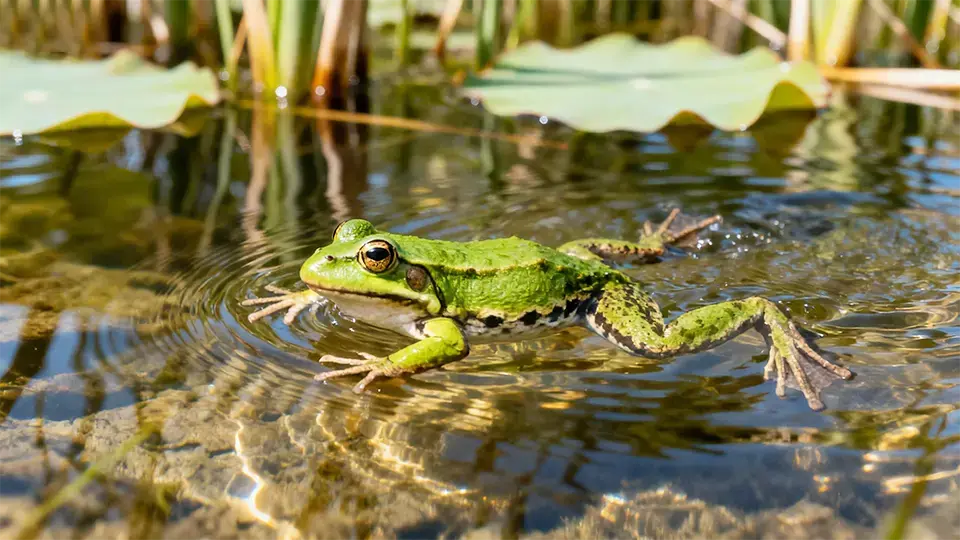
A growing body of scientific evidence highlights a devastating ecological crisis unfolding across the globe: the rapid decline of amphibian populations driven by a lethal fungal disease. Often described as one of the most destructive wildlife diseases ever recorded, this fungal outbreak has already contributed to the decline or extinction of hundreds of amphibian species, raising urgent concerns among scientists, conservationists, and environmental organizations.
The disease, caused by pathogenic fungi that infect amphibian skin, has spread across multiple continents over recent decades. Unlike many other wildlife diseases, this fungal infection has demonstrated an exceptional ability to move rapidly through ecosystems, affecting a wide range of species and habitats.
A Silent but Widespread Threat
The fungal disease affecting amphibians operates largely out of public view, yet its ecological impact is profound. Amphibians—including frogs, toads, and salamanders—play critical roles in ecosystems as both predators and prey. Their decline can disrupt food chains, alter insect populations, and affect nutrient cycling in both aquatic and terrestrial environments.
Scientists note that amphibians are particularly vulnerable to environmental changes due to their permeable skin and dual life cycles, which often involve both aquatic and terrestrial habitats. These biological characteristics make them highly sensitive to pathogens and environmental stressors.
The fungal pathogen responsible for much of the global decline infects the skin of amphibians, interfering with essential physiological functions. Amphibian skin plays a key role in respiration and water balance, meaning that infections can quickly become fatal.

Source: Wikimedia Commons, CC BY-SA 4.0
The Pathogen Behind the Crisis
The primary cause of the amphibian decline is a chytrid fungus, which belongs to a group of fungi known for infecting aquatic and moist environments. This pathogen spreads through water and direct contact, allowing it to move efficiently between individuals and across habitats.
Once the fungus infects an amphibian, it disrupts the skin’s ability to regulate electrolytes. This imbalance can lead to cardiac arrest, making the infection rapidly lethal in many cases.
The disease, known as chytridiomycosis, has been observed in both wild populations and captive amphibians, demonstrating its adaptability and resilience. Some species show resistance, while others experience near-total population collapse following exposure.

Source: Wikimedia Commons, CC BY-SA 3.0
Global Spread and Ecological Impact
The spread of the fungal pathogen has been linked to human activity, including global trade, habitat disturbance, and the movement of animals across regions. As amphibians are transported for research, food, or the pet trade, the fungus can be inadvertently introduced into new ecosystems.
Once established, the pathogen can persist in the environment, making eradication extremely difficult. In some regions, entire amphibian communities have been lost within a relatively short period.
The ecological consequences extend beyond amphibians themselves. As amphibian populations decline, insects that they typically control may increase, potentially affecting agriculture and human health. Additionally, predators that rely on amphibians as a food source may also be impacted.

Source: Wikimedia Commons, CC BY-SA 3.0
Scientific Efforts to Understand the Disease
Researchers worldwide are working to better understand the biology of the fungus and its interaction with amphibian hosts. Studies focus on how the pathogen spreads, why certain species are more susceptible than others, and how environmental factors influence disease severity.
Temperature, humidity, and habitat conditions all appear to affect fungal growth and transmission. In some cases, warmer temperatures may reduce fungal activity, while cooler, moist environments tend to favor its proliferation.
Scientists are also investigating the genetic diversity of both the fungus and amphibian populations to identify potential resistance mechanisms.

Source: Wikimedia Commons, CC BY-SA 3.0
Conservation Strategies and Challenges
Efforts to protect amphibians from fungal infection include habitat management, captive breeding programs, and the development of antifungal treatments. In some cases, conservationists have relocated vulnerable species to controlled environments to prevent exposure.
However, these strategies face significant challenges. The widespread distribution of the fungus and its ability to persist in natural environments make large-scale control difficult.
Additionally, reintroducing captive-bred amphibians into the wild remains complex if the pathogen is still present in their native habitats.
Researchers are exploring innovative approaches, such as introducing beneficial microbes that may protect amphibians from infection or enhancing environmental conditions that reduce fungal survival.
A Broader Environmental Indicator
The amphibian fungal crisis is often viewed as an indicator of broader environmental instability. Amphibians are considered sentinel species, meaning their health reflects the condition of the ecosystems they inhabit.
The rapid spread of this fungal disease highlights how interconnected global ecosystems have become and how quickly pathogens can move across geographic boundaries.
Scientists warn that similar patterns could emerge in other species if environmental pressures and global connectivity continue to increase.
The Role of Public Awareness
Despite the scale of the crisis, public awareness of amphibian declines remains relatively limited compared to other environmental issues. Conservation groups emphasize the importance of increasing awareness to support research and protective measures.
Educational initiatives and international cooperation are considered essential for addressing the problem. Preventing further spread of the pathogen may require stricter regulations on wildlife trade and improved monitoring of amphibian populations.
Looking Ahead
The ongoing decline of amphibians due to fungal disease represents one of the most significant biodiversity challenges of the modern era. While scientific understanding of the pathogen has advanced, effective large-scale solutions remain under development.
Continued research, conservation efforts, and global collaboration will be necessary to mitigate the impact of this disease and protect remaining amphibian populations.
The situation serves as a reminder of the delicate balance within ecosystems and the potential consequences when that balance is disrupted by emerging pathogens.
References
According to AOL