According to UBC
I. The Pyrophilous Pioneers: Life on Charred Earth
As British Columbia faces increasingly severe and frequent wildfire seasons, a critical question for ecologists is how these vast, scorched landscapes can possibly recover. The answer, according to new research from the University of British Columbia (UBC), lies beneath the ash, in a specialized group of organisms known as pyrophilous fungi—literally, “fire-loving fungi.”
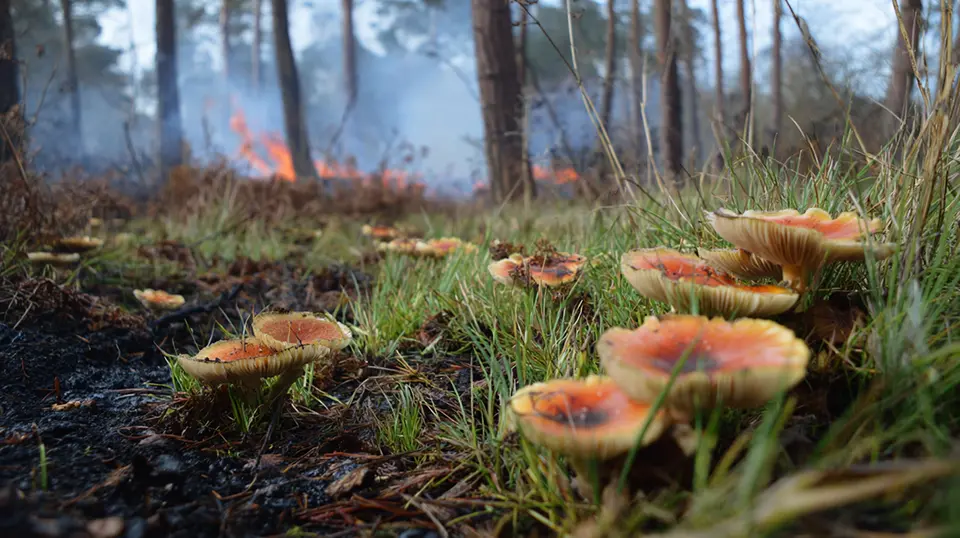
UBC researcher Dr. Monika Fischer, an Assistant Professor, is studying these remarkable organisms that not only survive intense heat but actually thrive in the aftermath of a burn. Unlike the typical fungi found in mature forests, these species are post-fire specialists. Once the fall rains return, these fungal pioneers emerge within weeks, transforming the stark, blackened ground into a canvas of surprising color.

Source: Wikimedia Commons, CC BY-SA 3.0
II. Nature’s Restoration Crew: Stabilizing and Cleaning the Soil
Dr. Fischer’s research highlights the vital and multi-faceted ecological roles these fungi play in kickstarting forest regeneration. They are, in essence, nature’s emergency restoration crew, tasked with fixing the immediate damage caused by the fire:
Erosion Control and Water Management
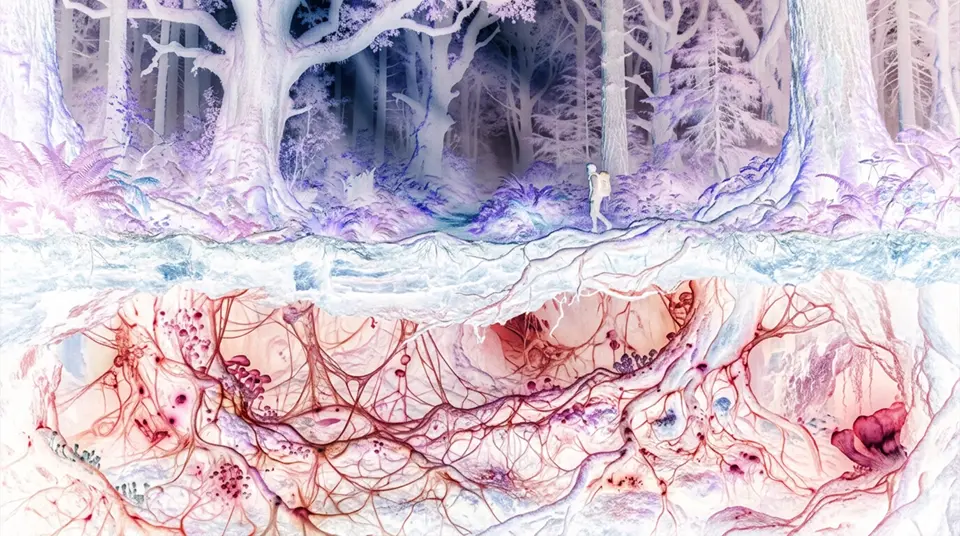
The intense heat of a wildfire can often leave soil water-repellent (hydrophobic), leading to rapid runoff and severe erosion. The thread-like structures of the fungi, known as hyphae, rapidly grow and bind the soil together. This action prevents soil loss and allows precious rainwater and fire suppression water to soak into the ground, a critical step for future plant life.

Source: Wikimedia Commons, CC BY-SA 4.0
Restarting Nutrient Cycles
Fires consume organic matter and lock nutrients within charcoal. Pyrophilous fungi, such as Pyronema and Neurospora, are experts at breaking down this charcoal and carbon, effectively restarting the essential nutrient cycling that is vital for new plant growth. They act as saprophytes, restoring nutrients to the depleted soil.
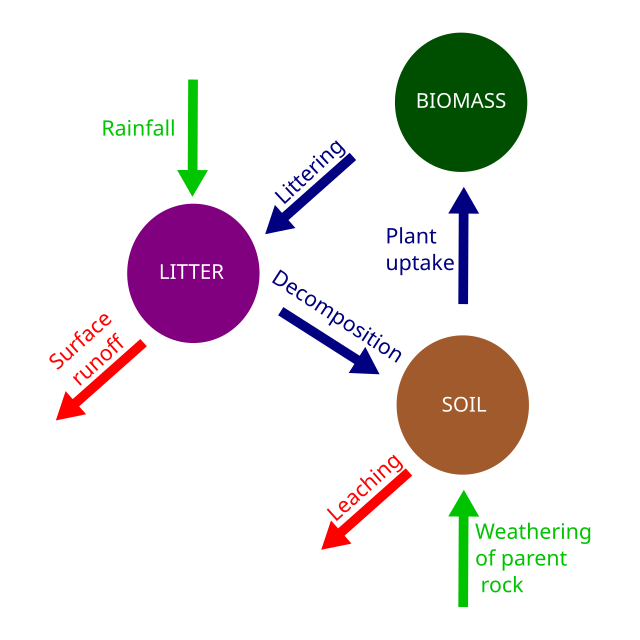
Source: Wikimedia Commons, CC BY-SA 4.0
Pollutant Remediation
Remarkably, some species possess the ability to digest tough chemical pollutants in the soil—a process akin to mycoremediation—helping to clean and restore the landscape as they rebuild the microbial foundation.
III. The Post-Fire Rainbow: Fungal Diversity on Display
These specialized fungi often belong to the Ascomycota group and are distinguished by their tiny, cup-shaped fruiting bodies, which provide a rare splash of color in an otherwise monochrome environment.
Vibrant Species
Dr. Fischer’s observations in B.C.’s burn zones have documented a colorful array of these organisms:
- Pyronema: Creates a distinctive neon orange crust.
- Geopyxis: Forms brown cups with bright white rims.
- Peziza: Adds small splashes of purple to the charred ground.
These fungi often emerge quickly, particularly in moist areas like near creeks or where fire suppression was used, sometimes showing up within weeks. Certain species, like the studied Neurospora, appear rapidly and then vanish, having completed their initial, rapid groundwork for recovery.
IV. Global Patterns and Future Implications
Further studies suggest that this phenomenon is not unique to British Columbia. Dr. Fischer’s research on fire sites in California showed that the same genera, such as Pyronema and Anthracobia, consistently appear after fires, regardless of the ecosystem type. This indicates a universal ecological mechanism where a small, specialized group of fungi is crucial to post-fire recovery worldwide.
The research emphasizes that these overlooked fungi may be critical in enhancing the conditions for the germination and growth of new trees and plants. Ecologists and forest managers are now considering whether restoration activities should avoid or delay actions that disturb the ground too heavily in the early post-fire phase, ensuring the critical work of these natural fungal allies is not disrupted.
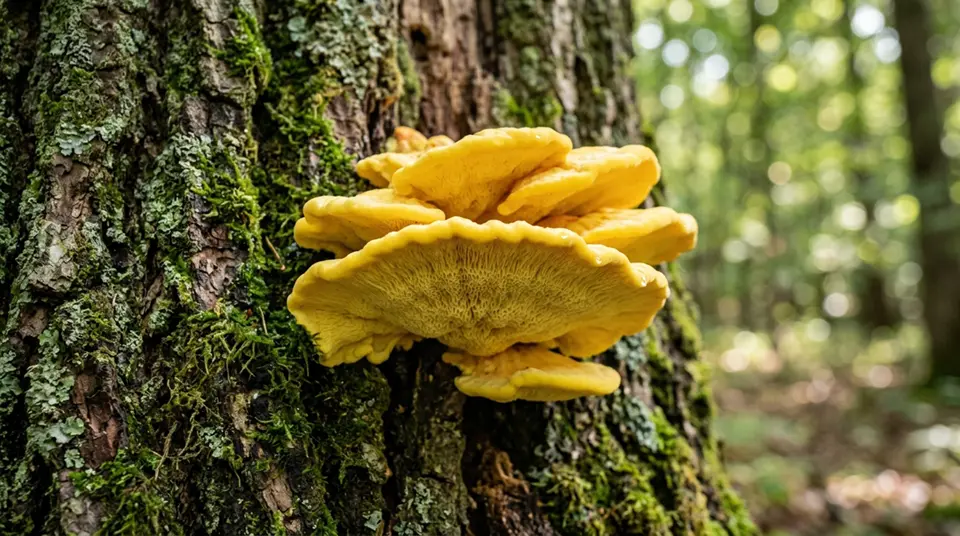
The more well-known example of a fire-loving fungus is the highly prized edible morel (Morchella), which often fruits abundantly in the spring following a burn, symbolizing the return of life and the economic potential hidden within this natural recovery process.
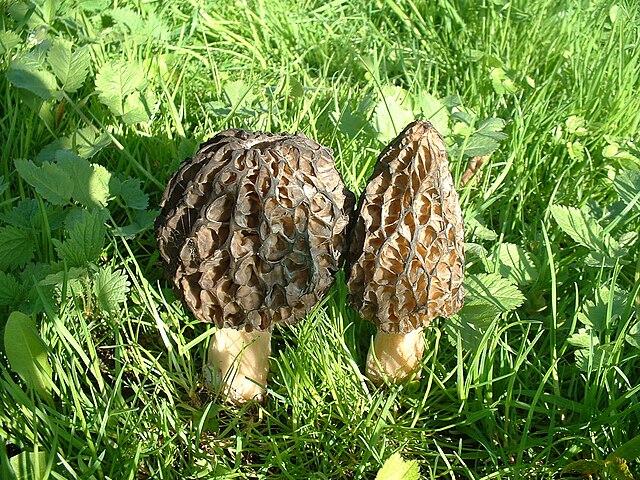
Source: Wikimedia Commons, CC BY-SA 3.0
References
- US Forest Service (2022). “Hydrophobic Soils after Wildfire.” RMRS-GTR-292.
- Mycoremediation – Wikipedia.
According to UBC