According to PEOPLE
Health officials are investigating a troubling cluster of fungal infections that has sickened 18 people and left one man fighting for his life. The outbreak, described as “mysterious” due to its unclear source and rapid spread within a small community, highlights a growing concern among infectious-disease specialists: fungal illnesses that once seemed rare or isolated are now appearing more frequently, sometimes with severe clinical outcomes.
According to preliminary reports, the critically ill patient developed life-threatening complications requiring hospitalization and intensive medical care. The remaining 17 individuals have shown varying degrees of symptoms, including respiratory distress, fever, persistent coughing, and generalized fatigue—classic signs associated with respiratory fungal infections.
Although officials have not confirmed the fungal species responsible, the clinical pattern points toward an environmental exposure rather than human-to-human transmission. This distinction is important because it suggests the outbreak may be tied to a contaminated site, disturbed soil, or an indoor structure harboring mold growth. Such scenarios are increasingly common as extreme weather, structural aging, and climate change reshape the environments where fungal spores proliferate.
From my perspective as a reporter covering mold-related public-health risks, this case underscores how easily fungal threats can go unnoticed until multiple people become ill. Fungi are quiet contaminants; they do not spread like viruses, nor do they always produce visible warning signs. Outbreaks often begin with small changes in airflow, moisture, or soil disruption—conditions that most people would not recognize as hazardous.

Source: Wikimedia Commons, CC BY-SA 3.0
Investigators Searching for the Source
Health investigators are currently tracing the activities and environments shared by the affected individuals. Early inquiries focus on:
recent construction or soil-moving activity,
possible water intrusion or structural mold in shared buildings,
exposure to contaminated dust, and
indoor environments with poor ventilation.
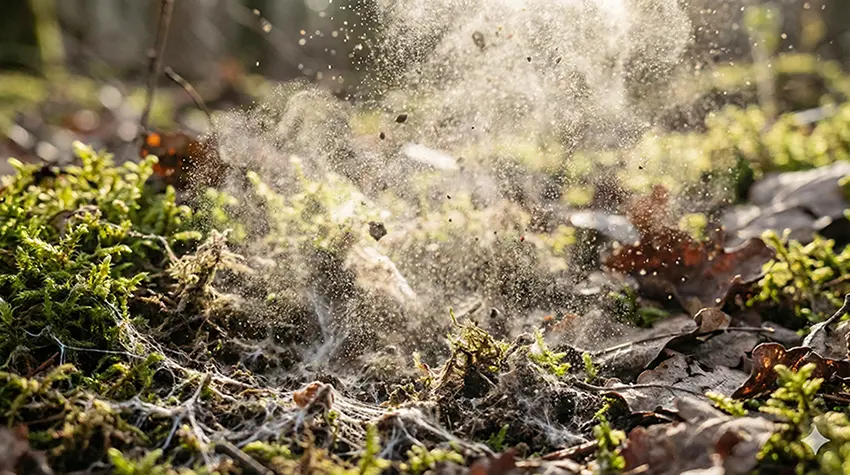
Fungal spores become especially dangerous when they are aerosolized in large quantities. Renovation projects, agricultural sites, and water-damaged buildings are common hotspots for such exposure. Without concrete identification, however, the investigation remains broad.
Officials emphasize that the outbreak does not currently pose a generalized public-health emergency, but they urge individuals experiencing respiratory symptoms to seek prompt medical evaluation—especially if they have pre-existing conditions or immunocompromised status.
Why Fungal Infections Are Becoming More Common
Experts warn that fungal diseases are rising globally for several reasons:
1. Climate Change
Warming temperatures allow environmental fungi to adapt to higher heat levels, making them more capable of surviving in the human body.
2. Increased Immunocompromised Populations
Modern medicine saves lives but also expands vulnerable populations.
3. Indoor Moisture Problems
Aging structures, humidity imbalance, and flooding create ideal mold habitats.
4. Environmental Disturbance
Construction, agriculture, and natural disasters disturb fungal reservoirs in soil.
These factors collectively create conditions where fungal infections can emerge more frequently—and sometimes more severely.

Carrollton neighborhood, Uptown.
Source: Wikimedia Commons, CC BY-SA 4.0
Symptoms and Progression in Fungal Illness
Common symptoms seen in fungal respiratory infections include:
persistent cough
shortness of breath
fever or chills
chest tightness
fatigue or weakness
The man who is currently in critical condition reportedly developed worsening breathing difficulties—a sign of deep lung involvement requiring aggressive antifungal treatment and supportive care.
Possible Fungal Culprits: What Science Suggests
Although the article does not confirm a causative species, similar outbreaks have historically involved:
Histoplasma capsulatum
Linked to soil and bird droppings.
Blastomyces dermatitidis
Associated with moist environments and decaying vegetation.
Coccidioides immitis
Spread through disturbed dry soil.
Aspergillus fumigatus
A major indoor mold pathogen.
Cryptococcus neoformans
Often found near bird-inhabited areas.
Without laboratory confirmation, the exact species remains unknown.

Source: Wikimedia Commons, CC BY-SA 2.5
My Perspective: This Outbreak Reflects a Larger Trend
Fungal outbreaks rarely make headlines, yet they demonstrate profound environmental and public-health vulnerabilities. People can walk through a contaminated area without ever seeing mold—breathing unseen spores that trigger severe respiratory illness.
Early symptoms often resemble flu or bacterial pneumonia, delaying proper diagnosis. By the time severe cases emerge, the infection may already be extensive.
This underscores the need for:
better diagnostics,
stronger clinician training,
more indoor air monitoring,
and clearer public messaging about fungal risks.
Fungal infections are not anomalies—they are a predictable outcome of environmental disruption.
Reference
According to PEOPLE