According to CITIZEN TRIBUNE
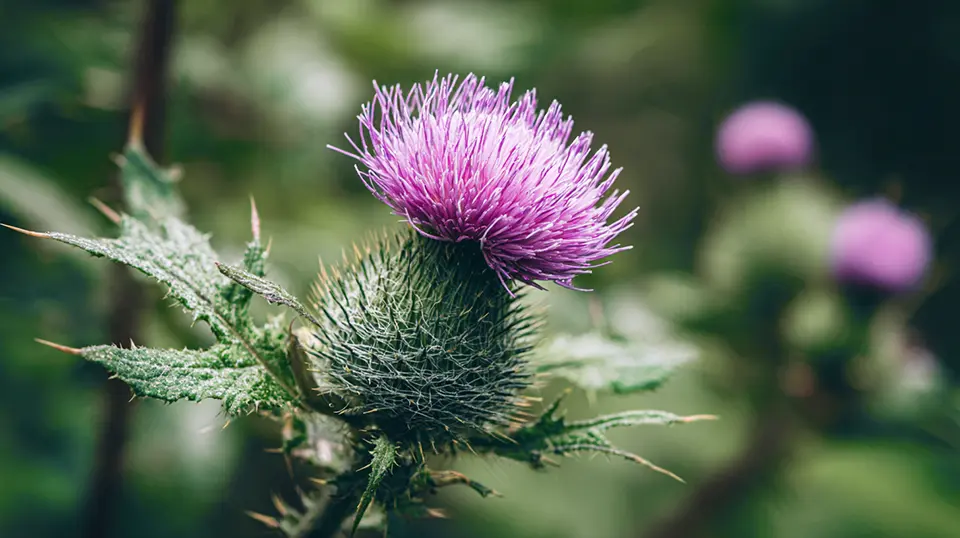
Canada thistle (Cirsium arvense) has long been a symbol of agricultural frustration—deep-rooted, fast-spreading, and notoriously resistant to conventional herbicides. Across farms, rangelands, and restoration sites, it forms dense patches that outcompete native plants and reduce crop productivity. But recent field observations described by agricultural researchers suggest an unexpected ally in this ongoing battle: a naturally occurring soil fungus that appears to weaken or suppress Canada thistle growth.
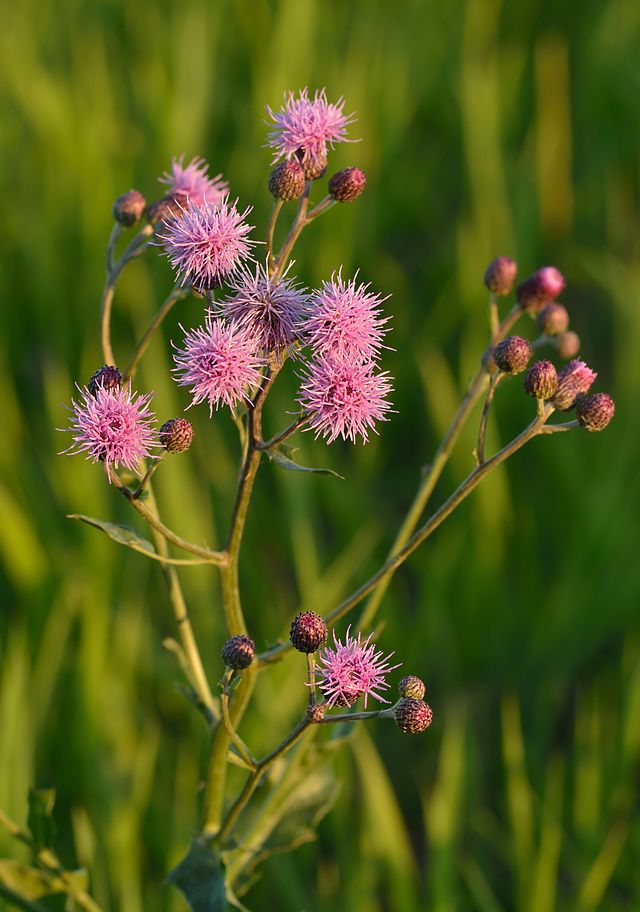
Source: Wikimedia Commons, CC BY-SA 4.0
The discovery is not a manufactured biocontrol program, nor a genetically engineered solution. Instead, it is a case where ecology is doing some of the work itself. For farmers, land managers, and ecologists, this raises an intriguing possibility: that under the right environmental conditions, native or resident fungi may help reduce weed pressure in ways that support sustainable land stewardship.
From my perspective as a reporter covering plant-pathogen ecology, this story reflects a larger truth often overlooked in agriculture—soils are dynamic microbial systems, and sometimes the organisms we consider “background species” become key players in the health of a landscape.
The Weed in Question: Why Canada Thistle Is Such a Challenge
Canada thistle (Cirsium arvense) is one of North America’s most problematic invasive weeds. It spreads aggressively through:
- creeping rhizomes, which allow new shoots to emerge meters away from the parent plant,
- abundant wind-dispersed seeds, and
- deep root reserves that make it exceptionally difficult to kill through tillage or spot-treatment herbicides.
Once established, it can reduce forage quality, disrupt crop rows, delay harvests, and dominate disturbed soils. In addition, many herbicides require repeated applications over multiple seasons to have any meaningful effect—an approach that increases cost for farmers and environmental pressure on ecosystems.
Because of these challenges, any natural factor capable of weakening or slowing thistle growth draws significant interest.

Fundort: “Phönixteich” auf der Donauinsel, Bezirk Tulln, Niederösterreich – ca. 170 m ü. A.
Source: Wikimedia Commons, CC BY-SA 3.0
A Fungus Appears to Be Suppressing Thistle Patches
Researchers monitoring infested sites observed that certain Canada thistle patches were unexpectedly failing to thrive. Plants exhibited:
- stunted height
- reduced spread
- discolored or wilted leaves
- poor stand density
Upon soil and root examination, they found consistent presence of a fungal pathogen infecting thistle roots. Although not a deliberately introduced biocontrol organism, the fungus appears to act opportunistically when environmental conditions favor it.
These findings align with a key ecological principle: when invasive plants encounter soilborne pathogens capable of exploiting their weaknesses, the invader’s dominance may decline naturally over time.
Rather than overwhelming and killing the thistle outright, the fungus weakens the plant—reducing its vigor, reproductive output, and competitive advantage. This form of biological suppression, while subtle, can influence long-term weed population dynamics far more sustainably than chemical intervention alone.

Source: Wikimedia Commons, CC BY-SA 3.0
How Fungal Pathogens Affect Weeds
Fungal pathogens that attack roots or vascular tissues typically cause diseases such as rot, wilt, or reduced nutrient uptake. In weeds like Canada thistle, such infections can disrupt:
- carbohydrate storage in rhizomes
- water transport
- seasonal regrowth cycles
- structural support
When root systems weaken, thistle patches lose their ability to dominate landscapes. This helps reestablish native vegetation, increases biodiversity, and reduces the need for repeated herbicide application.
Importantly, soil fungi do not act uniformly; their impact depends on moisture, soil texture, temperature, and local plant communities. Yet when conditions align, they can become powerful ecological regulators.
Identifying the Fungus: Scientific Naming and Known Associations
Although the article does not specify the fungal species involved, similar thistle-infecting fungi reported in scientific literature include:
- Puccinia punctiformis – a rust fungus known to infect Canada thistle and reduce its vigor
- Phoma spp. – soilborne fungi associated with root disease in thistle
- Alternaria spp. – leaf-spot pathogens that may stress thistle stands
Among these, Puccinia punctiformis is most widely recognized for its role in natural biocontrol. It infects thistle roots systemically, often reducing long-term spread without eliminating entire patches in a single season.
If the fungus identified in the observed fields is Puccinia punctiformis, it aligns with decades of ecological research showing its potential to suppress this invasive weed across rangelands and croplands.

Source: Wikimedia Commons, CC BY-SA 4.0
Why This Matters for Sustainable Agriculture
Herbicide resistance and environmental degradation are growing concerns across global agriculture. Weed control strategies must increasingly balance effectiveness with ecological impact. A naturally occurring fungal pathogen provides several advantages:
- Reduced Chemical Use
- Enhanced Soil Health
- Biodiversity Recovery
- Cost Savings
- Climate Resilience
This discovery does not eliminate the need for integrated weed management, but it adds a meaningful tool—one rooted in ecological processes rather than chemical dependence.
A Reporter’s Perspective: The Value of Letting Ecosystems Work
From my vantage point covering fungal ecology, what stands out most is how this case challenges the assumption that weed control must always be external, forceful, or chemical. Sometimes soil ecosystems do the work—quietly, gradually, and with remarkable precision.
The fungus does not behave like a fast-acting herbicide. It works slowly, suppressing thistle vigor year after year. This pacing mirrors ecological time rather than agricultural urgency, yet the long-term benefits can be profound.
This reinforces a broader point: soil biology is one of agriculture’s most underutilized resources. By understanding the relationships between plants, microbes, and environmental conditions, land managers can make more informed decisions that reduce inputs and enhance sustainability.
The rise of this naturally occurring fungal suppression in Canada thistle is not a silver bullet—but it is a reminder that ecological intelligence remains one of the strongest tools available to modern agriculture.
References
Cirsium arvense (Canada thistle)
According to CITIZEN TRIBUNE