According to UNIVERSITY OF CAMBRIDGE
I. The Window to Deep Time: Fossils from the Rhynie Chert
The study of life’s earliest colonization of land is often constrained by the scarcity of well-preserved specimens. However, a geological treasure trove known as the Rhynie Chert in Aberdeenshire, Scotland provides an unparalleled window into deep time. This site preserves ancient organisms that existed approximately 407 million years ago during the Devonian Period, locking them within remarkably detailed silica rock formations.
Now, a team of researchers from the University of Cambridge has made a pivotal discovery within one of these fossils: the identification of a new, extinct species of fungus. This finding provides crucial evidence regarding the complex biological partnerships that enabled the first plants to survive and thrive on land.

Source: Wikimedia Commons, CC BY-SA 4.0
II. Prototaxites and the Hidden Fungal Partner
The discovery was made while examining a fossil of Prototaxites, a bizarre, towering organism that dominated the early terrestrial landscape. Prototaxites itself was an enigmatic organism, appearing as a giant, columnar structure, which scientists now widely believe was a massive form of fungus or lichen.
Embedded within the tissue of this ancient plant/fungal structure, the Cambridge team identified the presence of a fungal organism clearly distinct from any known modern or fossilized species. They named this new, extinct species Prototaxites honeggerae.
A. A Unique Biological Signature
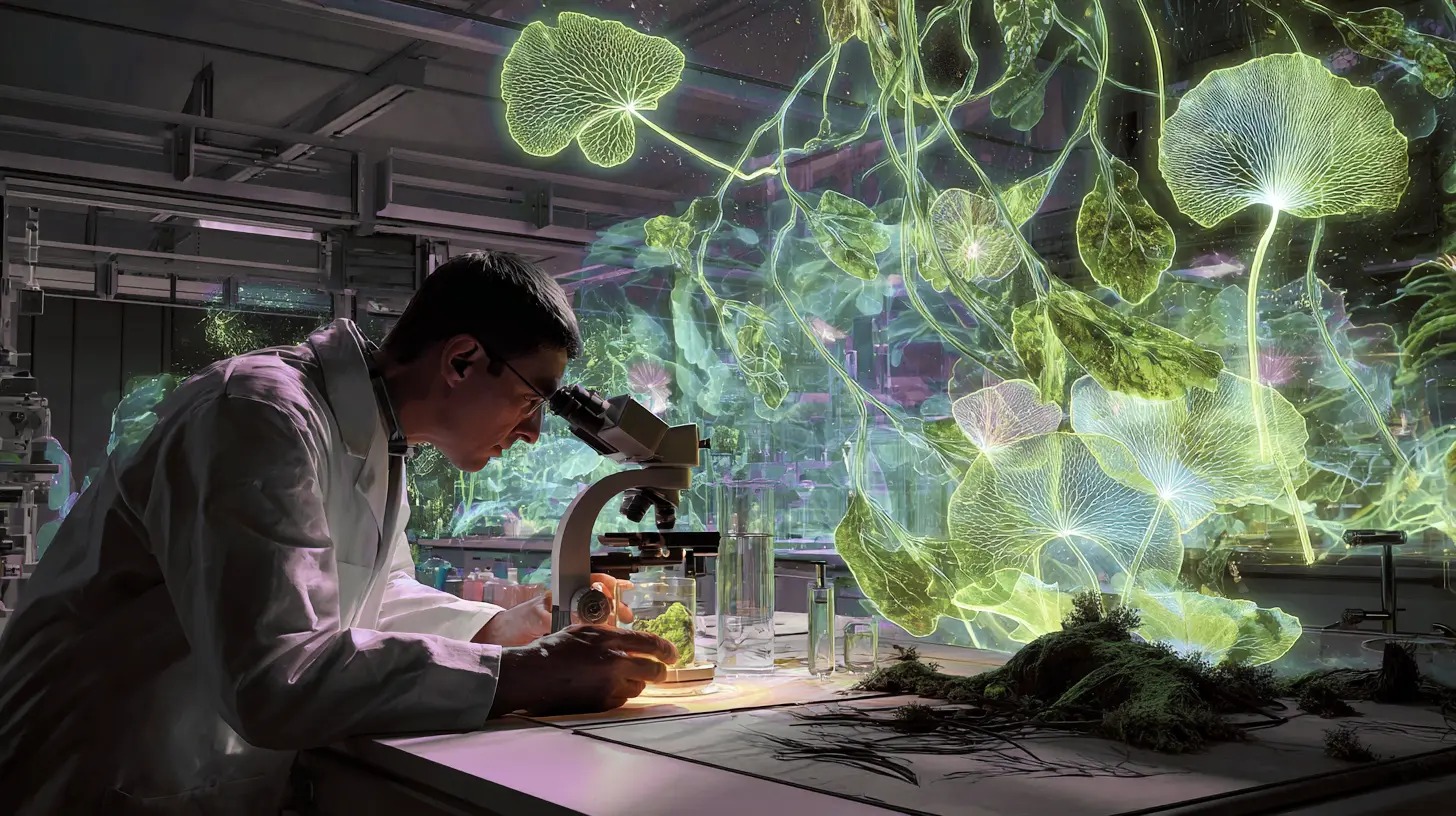
The researchers employed advanced imaging techniques to analyze the minute cellular structures preserved within the chert.
- Distinct Morphology:
The new species exhibited unique hyphae (fungal filaments) and reproductive structures that set it apart from other fossils from the same era. - Intimate Association:
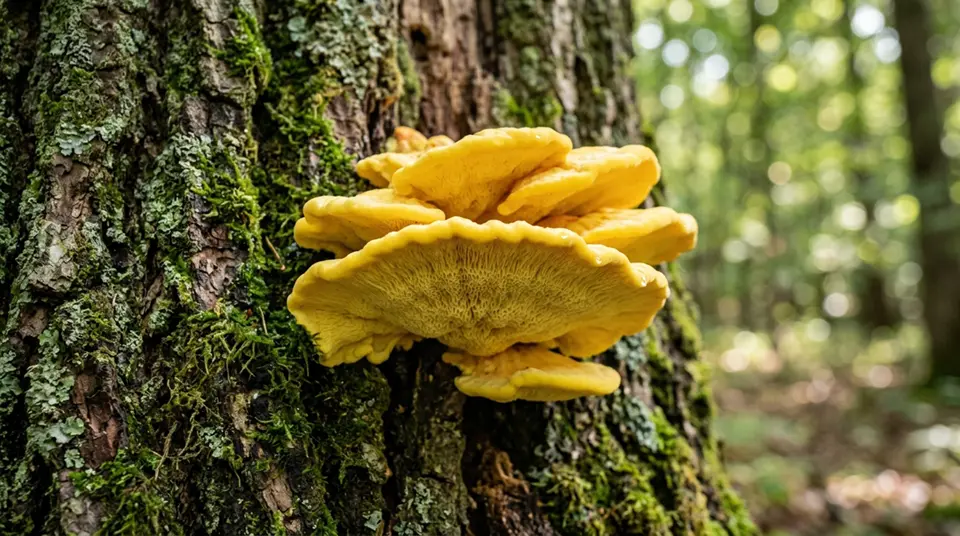
The fungus was closely associated with the Prototaxites tissue, suggesting it was either a symbiote, parasite, or decomposer. This relationship offers clues about the intricate microbial ecology that existed as life transitioned from water to land.

Source: Wikimedia Commons, CC BY-SA 4.0
III. The Significance: Fungi as Drivers of Terrestrial Life
The identification of Prototaxites honeggerae reinforces the profound and often overlooked role fungi played in the colonization of land.
The Mycorrhizal Precedent
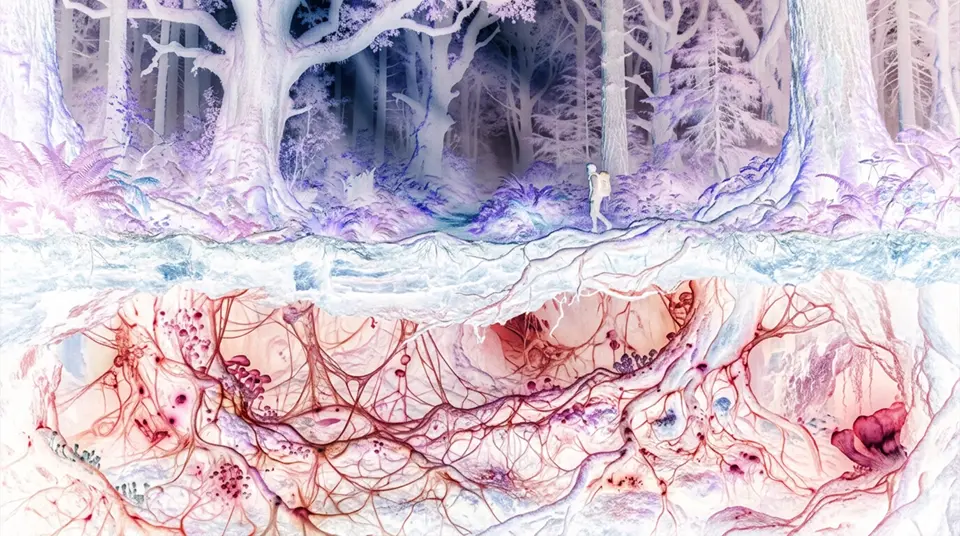
Long before large trees evolved, plants lacked robust root systems necessary to gather water and nutrients from the nutrient-poor early soils. Fungi, through mycorrhizal symbiosis, acted as the plant’s extended absorption system, trading nutrients for carbohydrates.
Early Ecosystem Complexity
This new species adds another layer of complexity to the Rhynie Chert ecosystem, demonstrating that early terrestrial environments were not barren but already supported sophisticated microbial interactions essential for decomposition and nutrient cycling.
It confirms that the foundations of modern terrestrial ecosystems—the dynamic interplay between fungi and plants—were already established over 400 million years ago.

Source: Wikimedia Commons, CC BY-SA 4.0
IV. Viewpoint: Unlocking the Past to Understand the Present
This discovery is more than a taxonomic update; it is a critical piece of the evolutionary puzzle. The exceptional preservation found in the Rhynie Chert allows scientists to move beyond speculation and directly observe the cellular details of these ancient life forms.
The objective viewpoint is that the perseverance of fungi—surviving for hundreds of millions of years and continuously forming essential partnerships—underscores their fundamental biological importance. Unlocking the secrets of ancient associations, such as that involving Prototaxites honeggerae, provides deeper insight into the evolutionary resilience that shaped all terrestrial life that followed.

Source: Wikimedia Commons, CC BY-SA 4.0
References
According to UNIVERSITY OF CAMBRIDGE