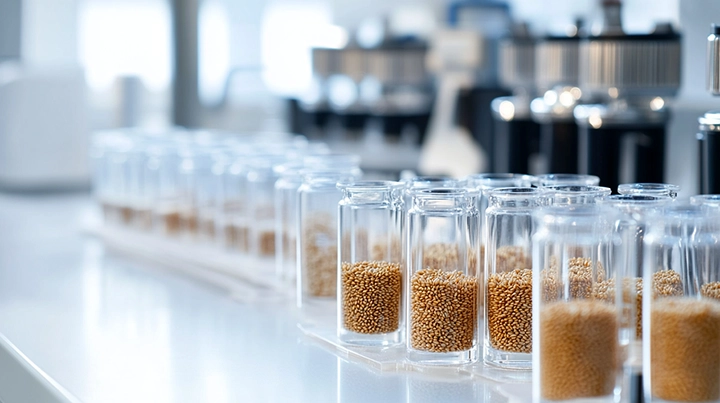
Catching Aflatoxins at the Source: How a New Polymer Material Could Transform Mycotoxin Control
A new material platform built on conjugated microporous polymers can detect and remove aflatoxins simultaneously — addressing a food safety gap where the toxin persists long after visible mold…

Researchers Find Dangerous Fungi and Horse Tranquilizers in Local Street Drug Samples, Raising New Public Health Concerns
Researchers at Bowling Green State University found fungal pathogens, soil microorganisms, and the veterinary tranquilizer xylazine in local street drug samples. The findings reveal biological…

When Bacteria Disarm Fungi: How Biosurfactants May Reduce Mycotoxins in Crops
Bacteria produce compounds called biosurfactants that can reduce fungal mycotoxin production by up to 99% in controlled conditions. A 2025 study shows this biological approach targets the…
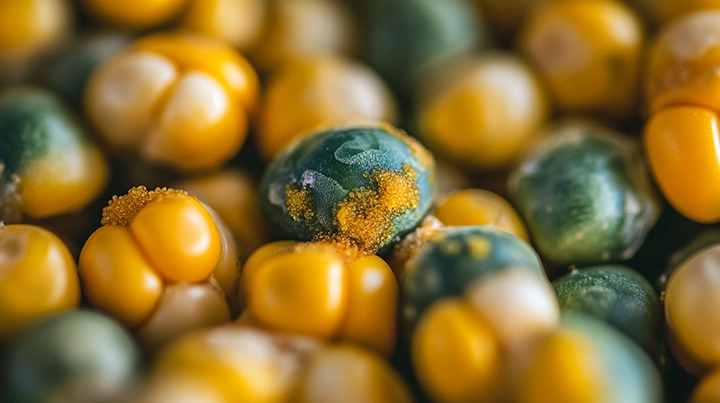
Mapping the Geography of Fungal Toxins: How Aspergillus flavus Populations Reveal a More Complex Risk
Aspergillus flavus populations differ significantly across regions in genetic structure, metabolic behavior, and aflatoxin-production capacity. A 2026 multi-omics study shows that…